AI and Blockchain: Challenges and Opportunities for Open Education and Lifelong Learning
By Alexander Mikroyannidis
/ 20 March 2024
Alexander Mikroyannidis (The Open University, UK) has given an invited talk at the event organised by UNESCO: Unlocking Knowledge: OER...
Read More
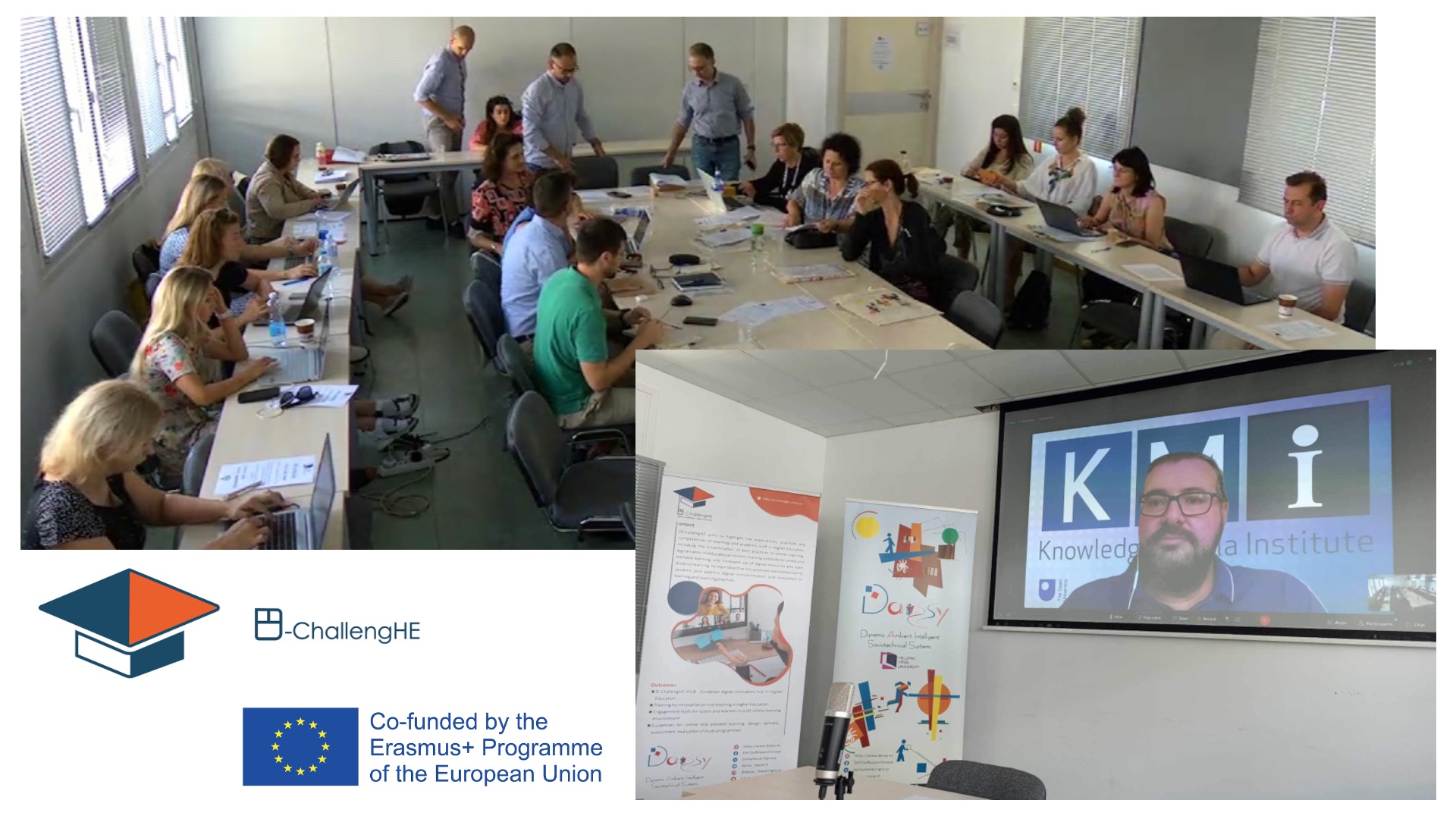
Generative Artificial Intelligence in Distance Education
By Alexander Mikroyannidis
/ 21 September 2023
Alexander Mikroyannidis (The Open University, UK) has given an invited talk at an event organised by the Erasmus+ project D-ChallengHE...
Read More
Openness in Education as a Praxis: From Individual Testimonials to Collective Voices
By Alexander Mikroyannidis
/ 14 August 2023
Alexander Mikroyannidis (The Open University, UK) has co-authored a journal editorial on the current state and the future of openness...
Read More
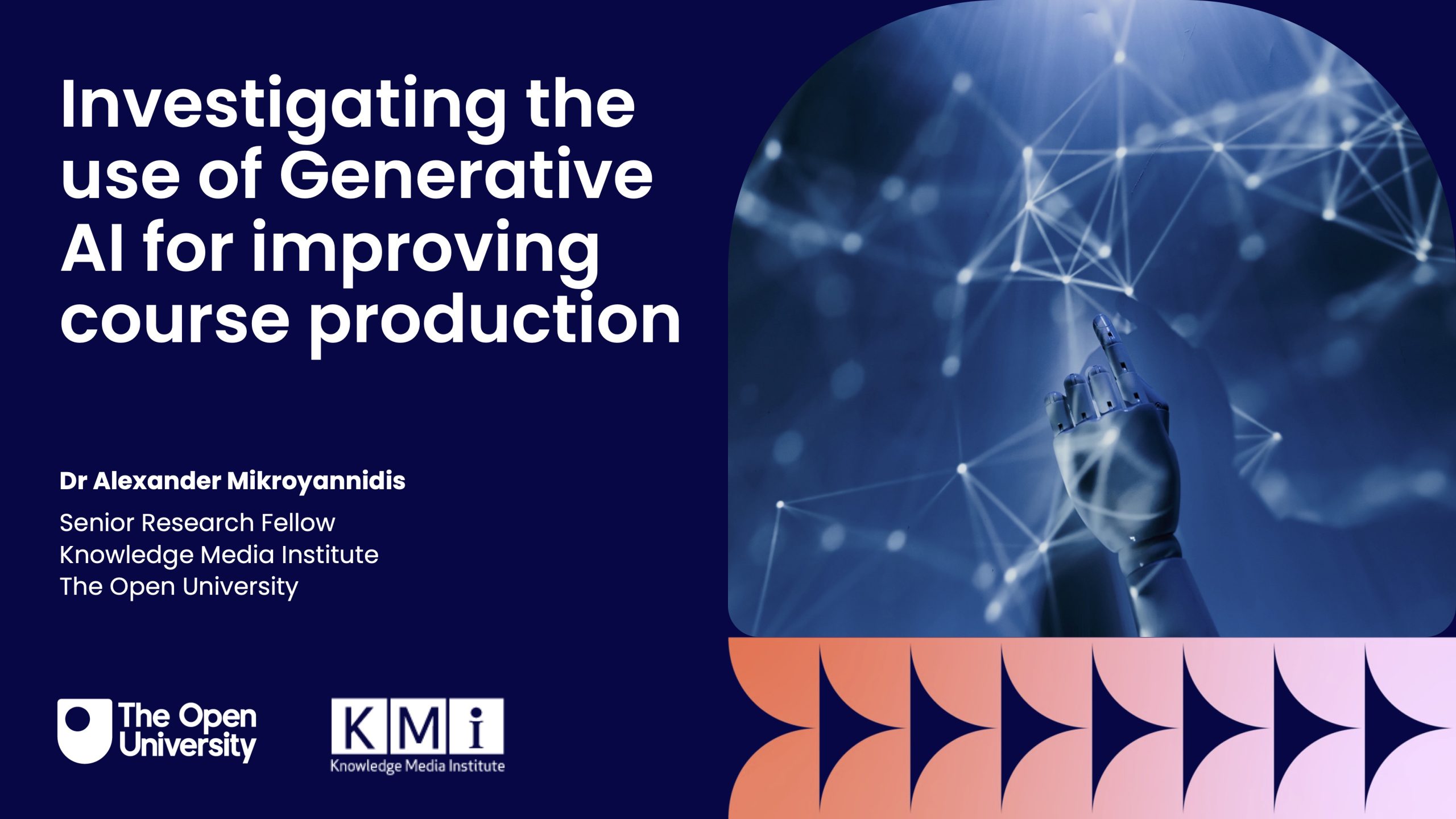
Investigating the use of Generative AI for improving course production
By Alexander Mikroyannidis
/ 9 June 2023
Alexander Mikroyannidis (The Open University, UK) has given an invited talk at the EmpowerED webinar series, with the title: “Investigating...
Read More
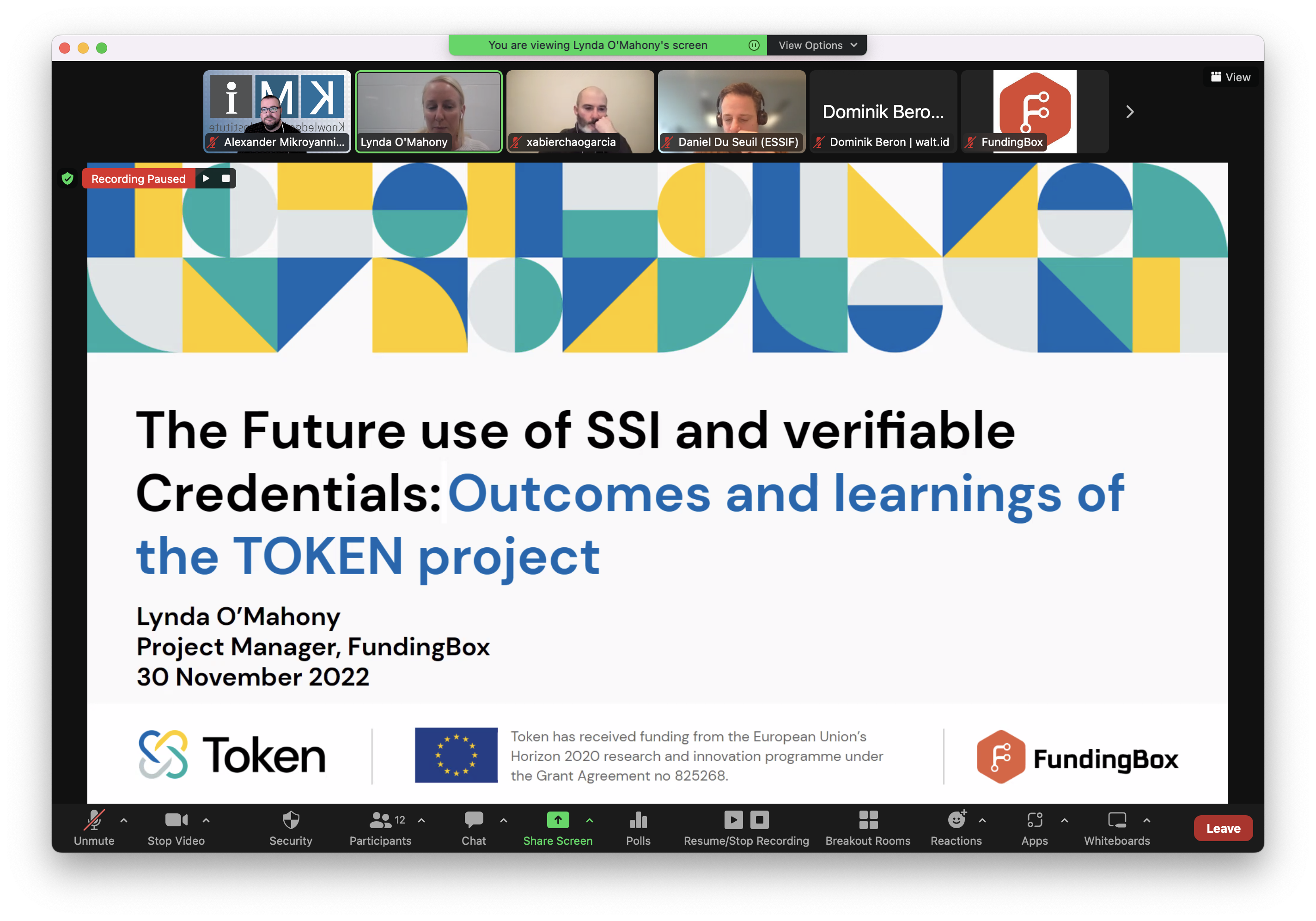
The Future Use of Self Sovereign Identity and Verifiable Credentials
By Alexander Mikroyannidis
/ 2 December 2022
Alexander Mikroyannidis (The Open University, UK) gave an invited talk at the event “The Future Use of Self Sovereign Identity...
Read More
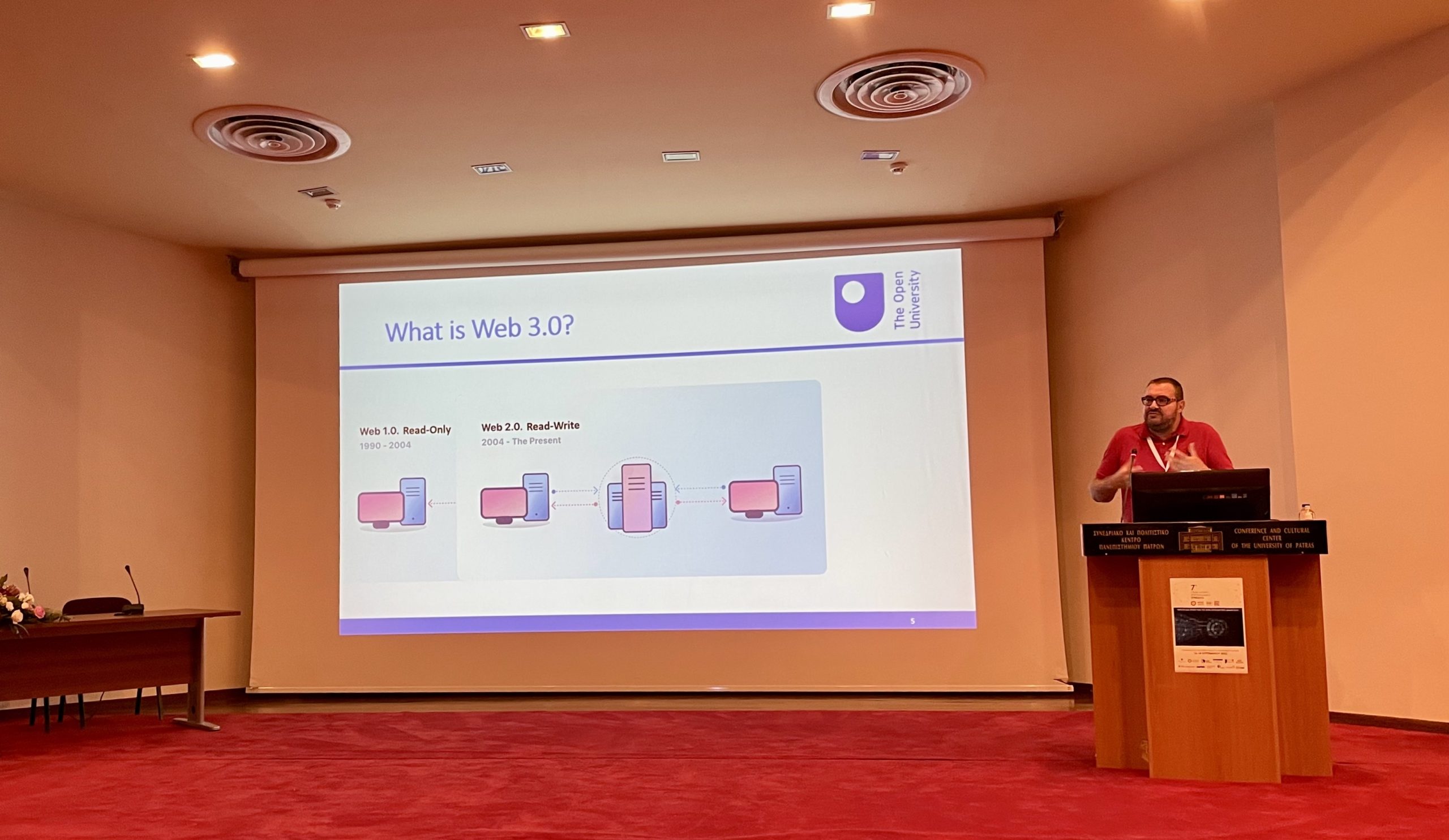
The Role of Web 3.0 and Blockchain in the Future of Education
By Alexander Mikroyannidis
/ 11 October 2022
Alexander Mikroyannidis (The Open University, UK) gave a keynote talk at the 7th panhellenic scientific conference “Integration and Use of...
Read More
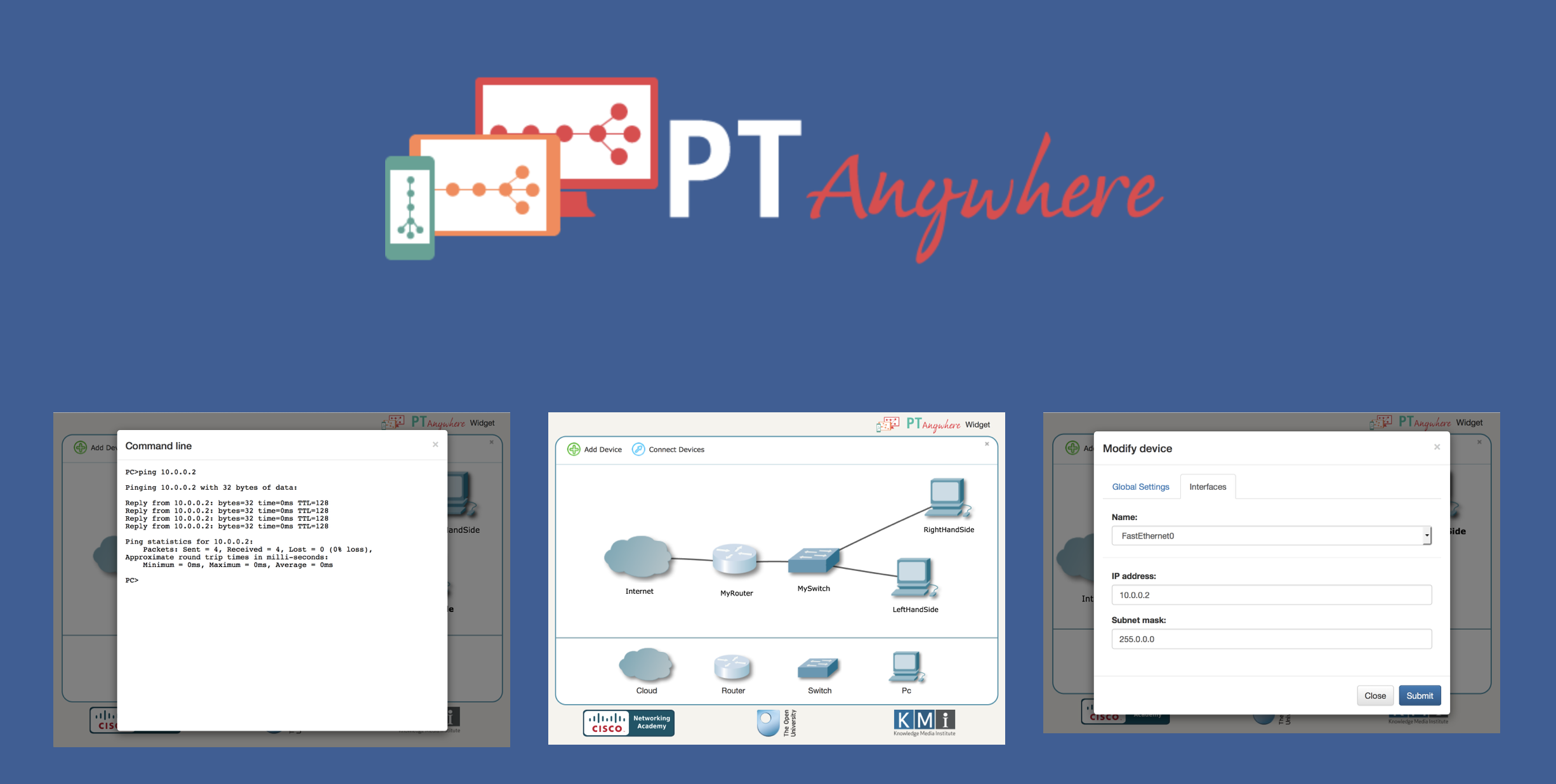
PT Anywhere used for remote learning during the COVID-19 pandemic
By Alexander Mikroyannidis
/ 21 March 2022
PT Anywhere, led by Alexander Mikroyannidis (The Open University, UK), has played a vital role in remote teaching and learning...
Read More
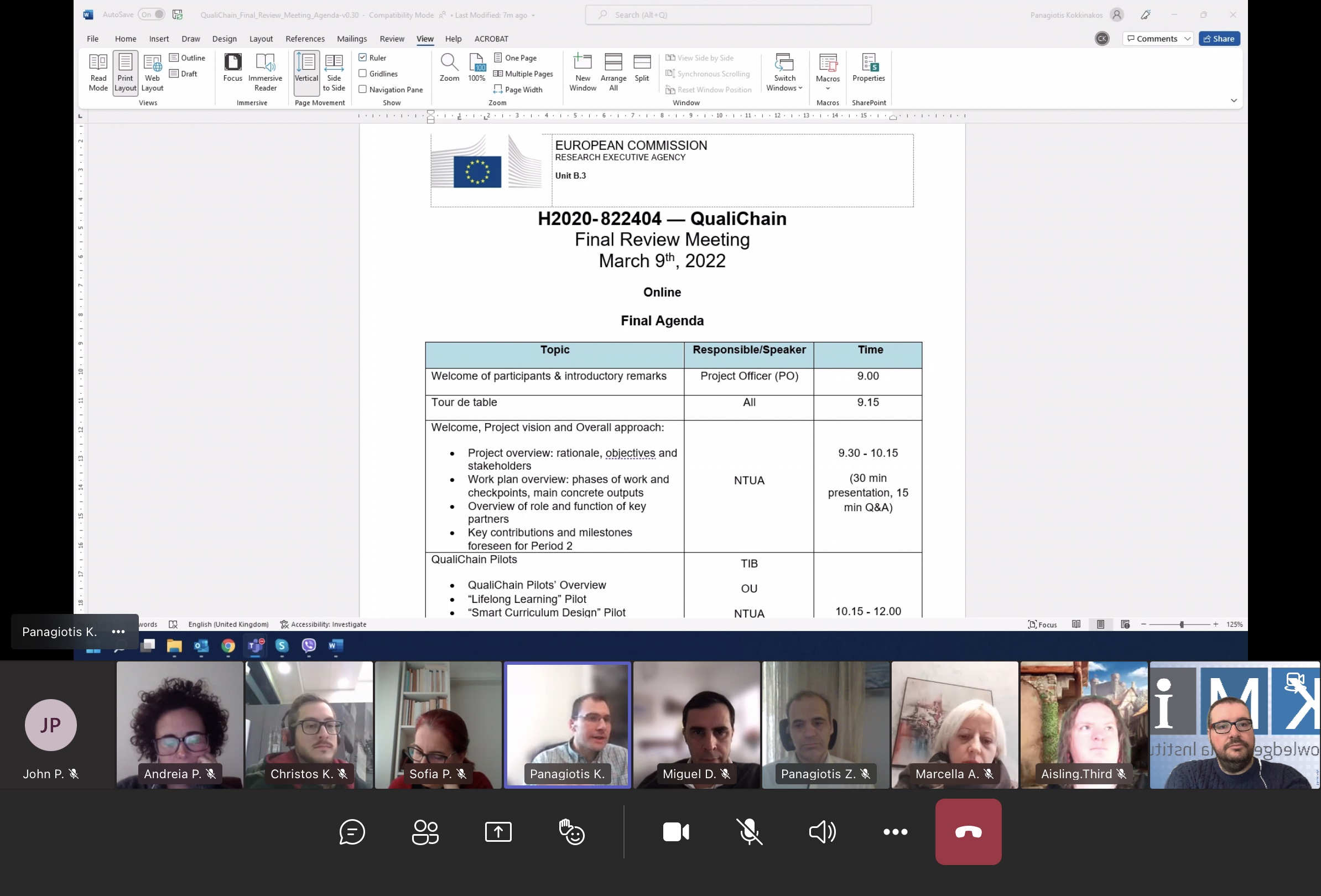
A successful conclusion for QualiChain
By Alexander Mikroyannidis
/ 15 March 2022
Last week saw the final review of the QualiChain project. Starting in January 2019, QualiChain has targeted the creation, piloting...
Read More
Blockchain articles featured in OpenLearn
By Alexander Mikroyannidis
/ 16 February 2022
A series of articles authored by John Domingue and Alexander Mikroyannidis (The Open University, UK) have been published in OpenLearn....
Read More
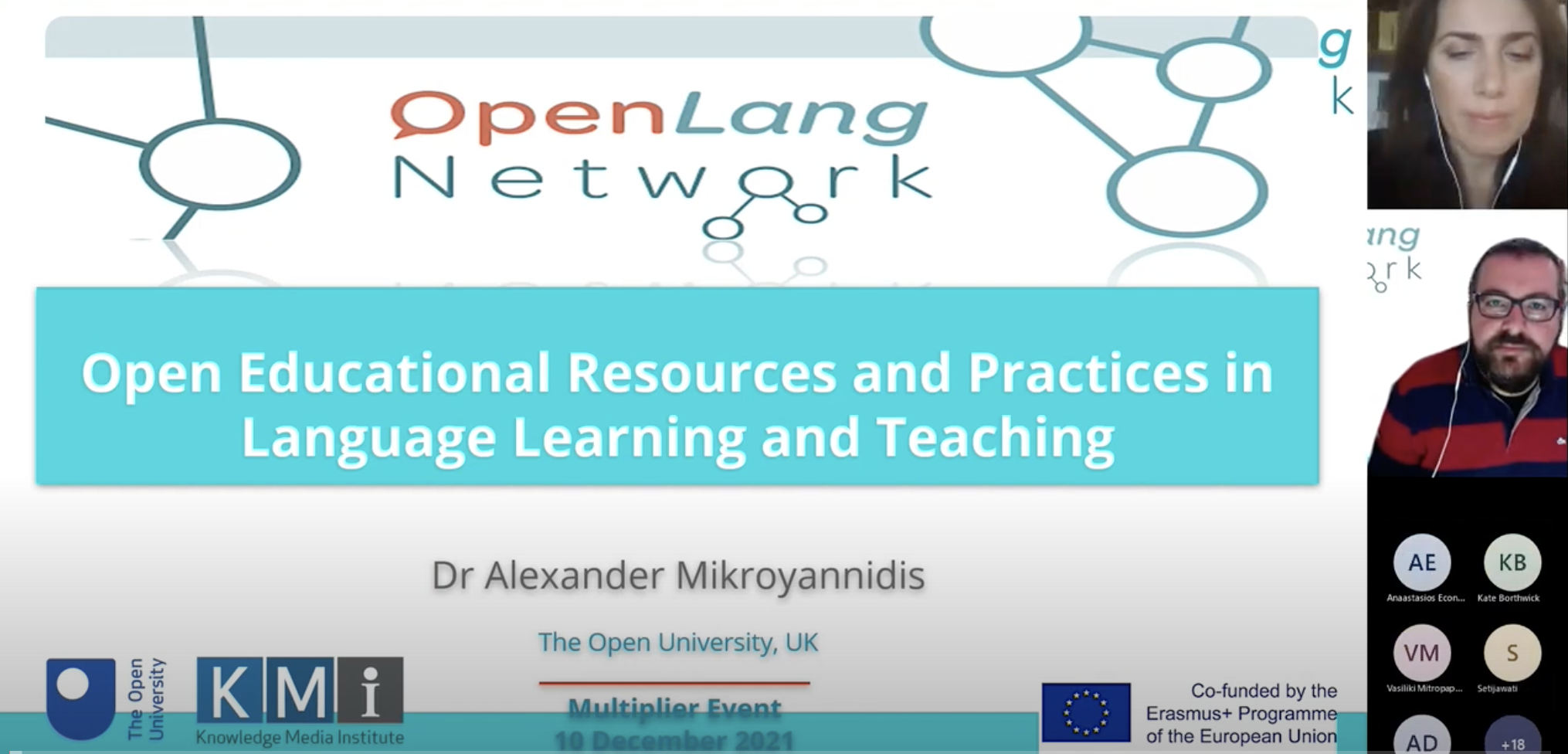
Erasmus+ Multiplier Event: Open Educational Resources and Practices in Language Learning and Teaching
By Alexander Mikroyannidis
/ 21 December 2021
The Multiplier Event of the Erasmus+ project OPENLang Network [Open Languages & Cultures Network], entitled: "Open Educational Resources and Practices...
Read More